By MIKE ORLOFF
Flight #10 of the year touched down late in Jakarta from my short Bangkok stopover. I was already three days and two rounds of golf into my ambitious 15-day Asia industry field trip. This was my second trip to Asia this year to gain a better understanding of what the industry may need, as well as a chance to introduce the www.golfindustry.asia platform to local operators. I plan to expand my time in Asia over the coming few years, with half my time eventually based in the region.
Indonesia, with its unique geographical challenges, government ambition, and massive domestic population, is not just playing catch-up; it is charting its own course toward becoming a dominant force in Asian golf. The five days in Jakarta and the eight-day finale in Bali, where the family would join me, were set to be a deep dive into the diverse business models driving this surge. This journey wasn't just about playing golf; it was about connecting with the people, understanding the operational scales, and uncovering the strategies that are making Indonesia an epicenter of opportunity.
I was blown away by how busy these courses in Jakarta are with reports of 8-9,ooo rounds played per month. Some under lights. Also, to hear about the challenges that the government plays in some areas, such as the recent closure of Bali National Golf Club, and in 2017, Nirwani Bali, due to development aspirations.
The Jakarta leg of the trip immediately revealed a domestic market experiencing an explosive post-pandemic surge in participation. This growth is supported by a mix of high-volume, resilient urban facilities and a strategic push into ultra-luxury destination golf. The scale of operation at the Jakarta course is truly staggering.
My travel fatigue was already catching up with me, and adding in a few doses of humidity (I grew up in very dry desert heat in Los Angeles) that I don't deal well with, during my shortened round of 9holes at Cengkareng Golf Club. I didn't have any playing partners on this round, so just me and my caddy, and I was feeling it!
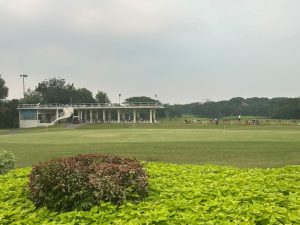
Located, quite literally, on airport land, some fairways stretch close to the runways; Cengkareng operates under unique geographical constraints. Yet, the atmosphere inside is a very positive and fun place to have a drink and a meal after your round. It has a fun layout, but the condition was looking a little tired.
Cengkareng delivers an accessible experience that works perfectly for the time-constrained local golfer. Even the unique distance markers—subtle, memorable touches—add to the distinct operational branding that enhances customer experience. There has been a recent change of long-term management for the facility. A story for another time.
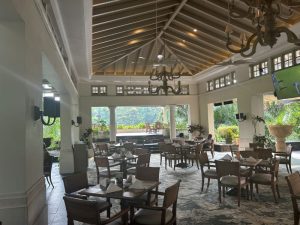
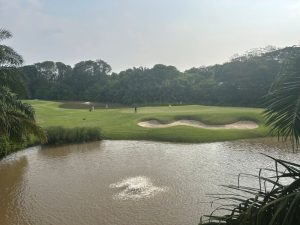
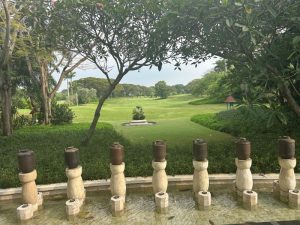
Day five was an immersion into the operations of three key facilities in the Tangerang area, all within the Jakarta orbit. This was where the sheer numbers of the Indonesian golf business became impossible to ignore.
My day started at Imperial Klub Golf, a challenging 18-hole, par-72 championship course masterfully designed by Desmond Muirhead. Playing over 7,200 yards from the back tees, it's known for its strategic complexity and dramatic water hazards, a true test of power and precision. The fourth hole, with its high-risk, high-reward island fairway, is a perfect example of Muirhead’s conceptual sculpture.
I reunited with an old friend, GM, Howie Roberts, after five years for a 9-hole catch-up, followed by lunch with Aussie pro Gavin Webb, a veteran entrenched in the Indonesian industry for two decades. Our conversation confirmed that Imperial remains a staple for the premium corporate and veteran golfer segment. In a market with this much burgeoning competition, maintaining a consistently conditioned, tournament-ready environment is a non-negotiable factor for retaining that high-value clientele.
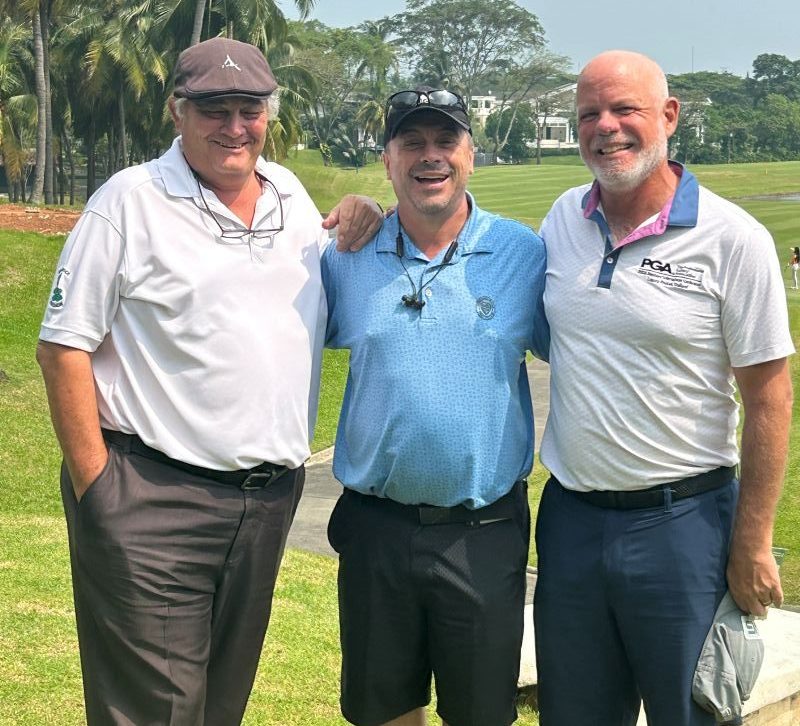
(L/R Gavin Webb, Howie Roberts, Mike Orloff)

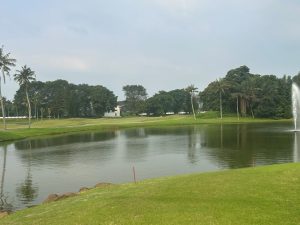
Next, I met GM Dadi Wiratmo at Gading Raya Golf. The numbers he shared revealed the club's function as a massive local economic engine and highlighted the high-touch caddy model still deeply prevalent and preferred in this market. The staff roster is staggering: over 250 staff members and 250 caddies.
This sheer volume of employment is a massive commitment to the full-service hospitality component of the golf experience. Gading Raya is positioned as a family-oriented club, and its scale reflects the local expectation of a comprehensive, attentive leisure experience. The staff volume underscores the human factor inherent in Indonesian golf, where the caddy is often central to managing the round, providing local course knowledge, and generally elevating the customer experience. There was also a junior event on with new players trying the game, which was refreshing to see. But wow, people everywhere when each group has individual caddies and carts! Thanks for his generous hospitality.
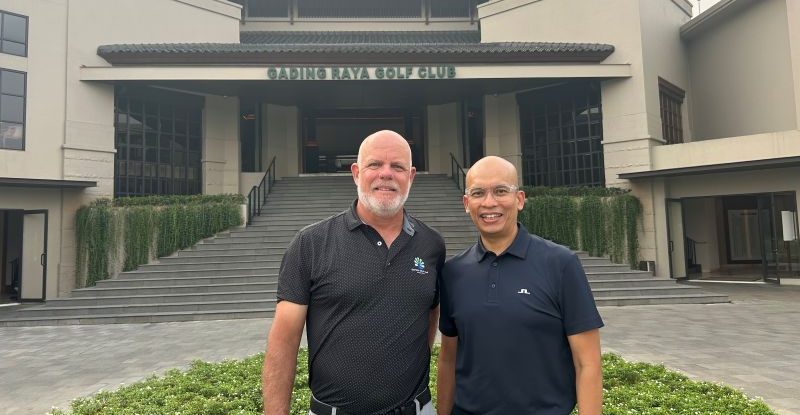
Mike Orloff/Dadi Wiratmo
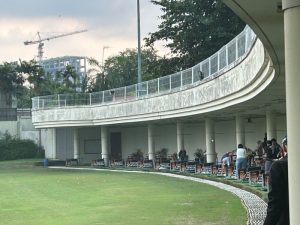
The final stop on this day was the Modern Golf & Country Club, a design by five-time British Open Champion Peter Thomson. Touring the facility with Golf Manager Guyatri Augustine, I witnessed a prime example of aggressive utilization and revenue diversification.
Beyond the challenging 6,350-meter course and comprehensive sports club amenities (including an Olympic-size pool), Modern Golf features a standout innovation: the full 18-hole course is lit and open until midnight.
Night golf significantly boosts tee-time inventory and revenue, directly targeting the large segment of working professionals constrained by daytime heat and Jakarta's infamous traffic congestion. It allows the facility maximum revenue from its land footprint and serves as a blueprint for multi-segment revenue strategies in dense urban centers. The integration of non-golf amenities, from squash to health centers, further reinforces the trend toward building complete lifestyle destinations. It was very busy but also very tired and in need of some upgrades.
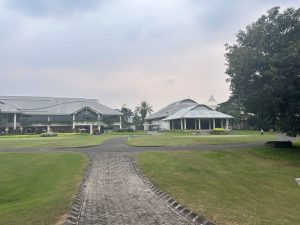

The visit to Trump International Golf Club Lido was, without question, one of the trip’s most insightful and visually spectacular moments, a window into Indonesia’s ultra-luxury, destination golf ambition.
Perched dramatically at 600m in the hills west of Jakarta, this Ernie Els-designed course, completed in late 2024/early 2025, is an absolute adrenaline golf rollercoaster. I was given a full-immersion experience by GM Steven Thielke, Aussie Superintendent Michael Pascoe, and Golf Ops Manager Agus. The high elevation provides a critical thermal advantage over the Jakarta heat, enhancing playability and making the trip worthwhile.
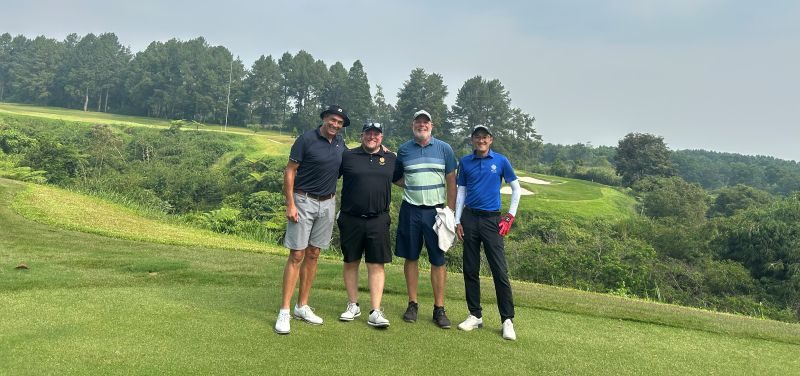
L/R GM - Steven Thielke, Superintendent Michael Pascoe, Mike Orloff and Golf Manager Agus.
Lido represents a significant shift toward exclusivity and high-barrier-to-entry luxury. The dramatic, cliff-top topography, with its ravines and infinity drop-offs framing the greens, provides a naturally differentiated product.
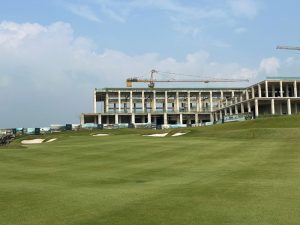
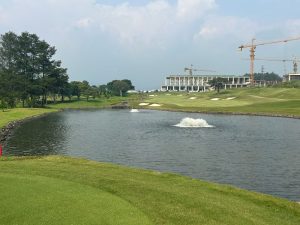
The planned scale is monumental: the massive, yet-to-be-completed clubhouse is set to be the largest in Asia, measuring an astonishing 33,000 sqm. This structure, designed to be an event and hospitality focal point, is intended to justify the premium pricing and membership structure.
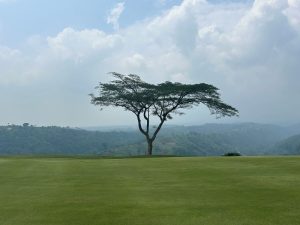
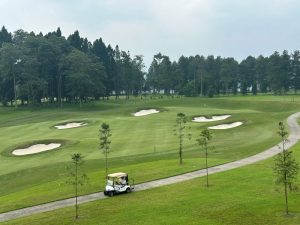
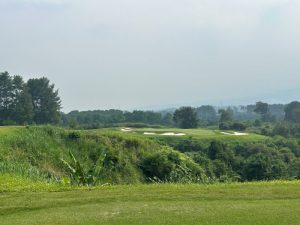
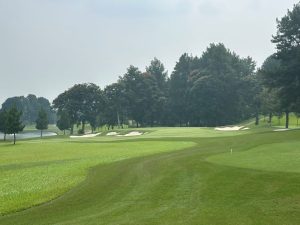
Thank you to GM and New Zealand PGA Member Arron Cole for the hospitality on the day. I only had time for lunch and a course tour with him. I am bummed I was not up for an early hit with a group of expats that I met after their round. Ill definitely schedule this on a future trip
Jagorawi Golf & Country Club (JG&CC), situated roughly an hour south of Central Jakarta in the lush Cikeas River Valley, holds a unique and pioneering place in Indonesia’s modern golfing history. Conceived by founder Zakir in the early 1970s, the facility was designed to usher in a "new era" of championship-standard courses in the region. Today, it stands alone in the country as the only club boasting a remarkable 45 holes of championship golf.
The club’s development began in 1976 with the Old Course (originally the "Garden Course"). Zakir collaborated with the esteemed Australian design firm, led by five-time British Open champion Peter Thomson and his partner Michael Wolveridge. The on-site construction was notably overseen by future course legends Ronald Fream and Max Wexler, who spent six demanding years carving the layout from the former jungle terrain. Opened in stages—the first nine holes in 1979 and the full 18 in 1981—the Old Course is renowned for its classic, tight, tree-lined fairways and dramatic elevation changes, demanding precision over power from golfers.
Following the success of the Old Course, the facility expanded. The 18-hole New Course, also a Thomson & Wolveridge design, opened in 1991. While longer and featuring wider fairways than its older sibling, the New Course quickly gained a reputation as a demanding test, hosting the prestigious Indonesian Open in both 1996 and 1997. It was also the official golf venue for the Southeast Asian Games in 2011.
The final addition was the tricky 9-hole Z-Nine Course, completed in late 1997. This layout was a joint creation between club owner Zakir and Max Wexler. The Z-Nine provides a unique challenge, winding through the most enchanting parts of the valley, with the Cikeas River bisecting six of its nine holes. Its final hole features a dramatic downhill par-3 with the tee box perched high above the green and the river valley.
Beyond golf, Jagorawi operates as a full-service country club, housing amenities like a lodge, swimming pool, tennis courts, and the Nusantara Polo Club. Its comprehensive design, rich history, and the distinct challenges presented by its three mature courses—the classic Old, the expansive New, and the tactical Z-Nine—cement Jagorawi’s enduring status as a premier destination in Asian golf.
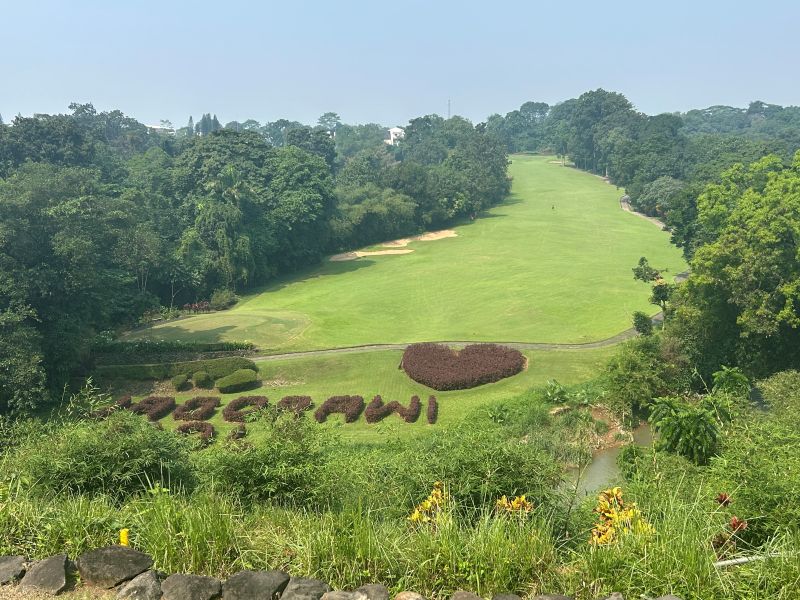
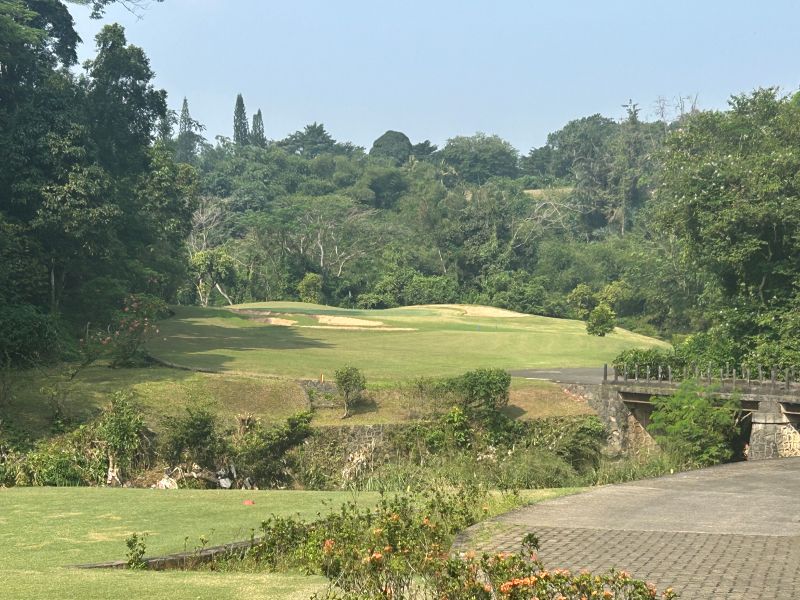
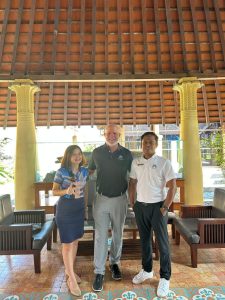
My long day concluded with a quick tour of Pondak Indah Golf Course, before catching up with old friends, Australian PGA members Lawrie Montague and Adam Taylor.

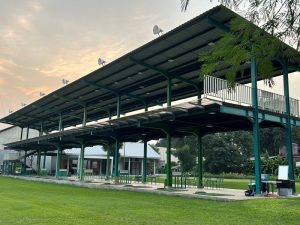
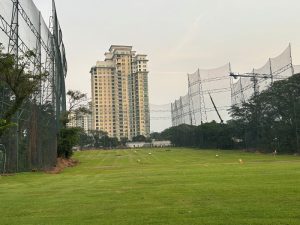
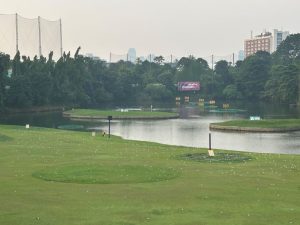
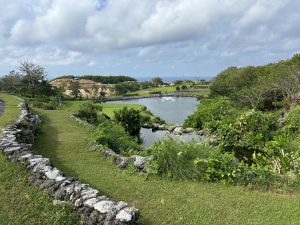
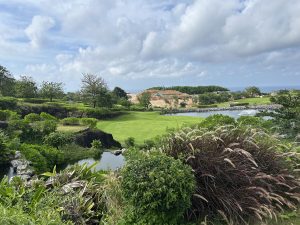
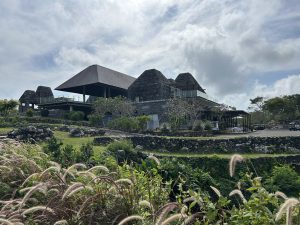
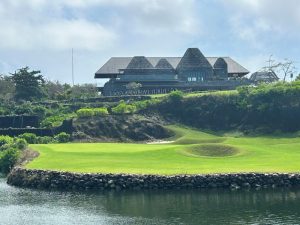
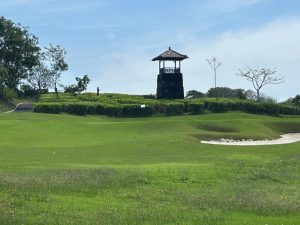
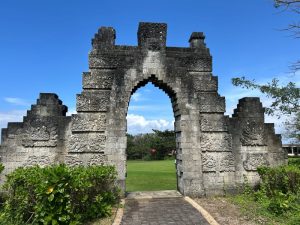
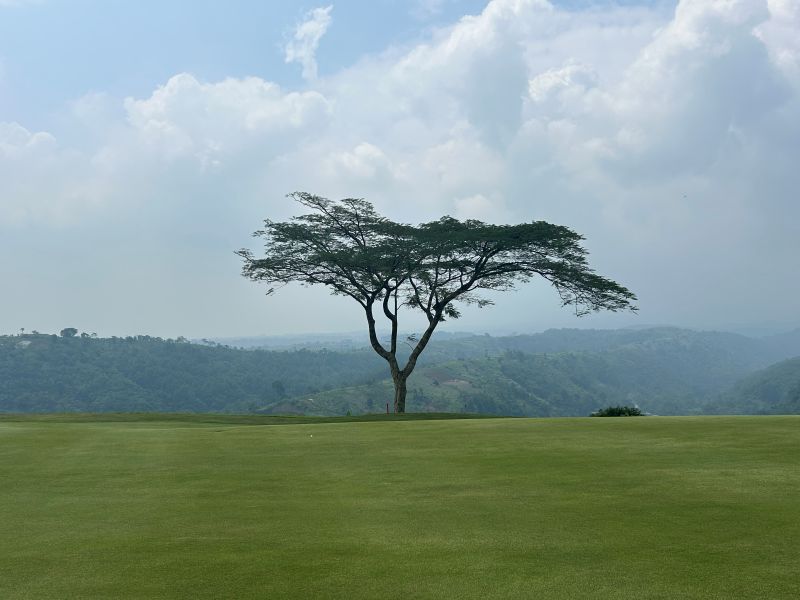
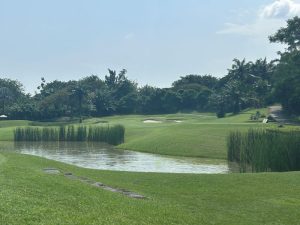
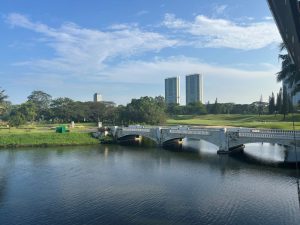
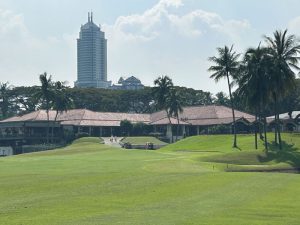
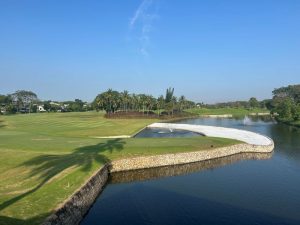
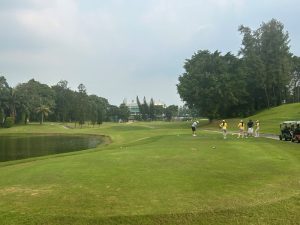
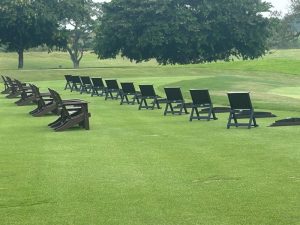
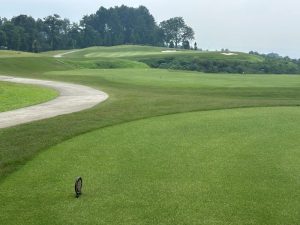
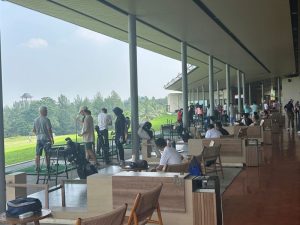
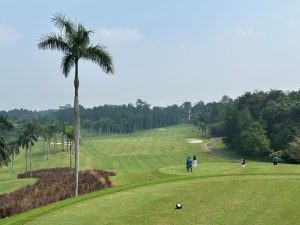
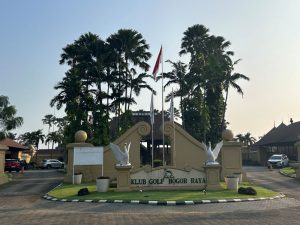
Here are some other pictures from a few courses I visited during the stay.
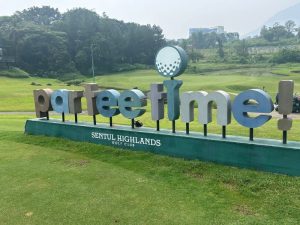
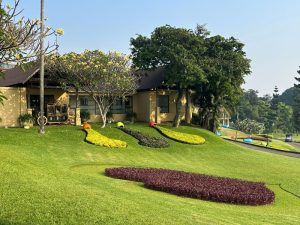

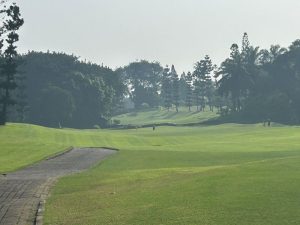
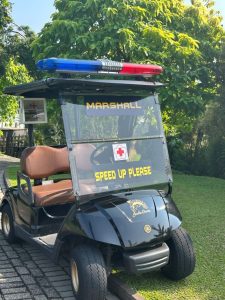
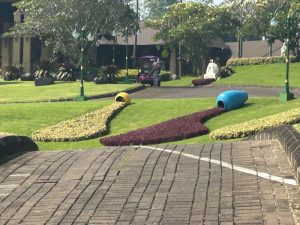
Flight #11 of 2025 was the short hop to Bali, but I embraced a local culinary twist: avocado affogato (avocado ice cream with espresso) in the airport, waiting for my flight. Bloody good!
The next eight days would be family-centered, starting with an early plan for a volcano-sunrise hike with my son, Isaac, and a family chill at the various beachs.

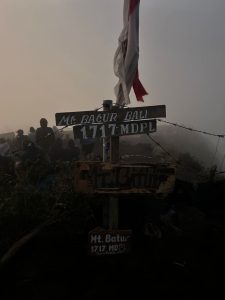
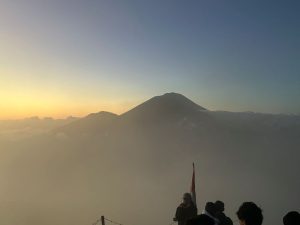
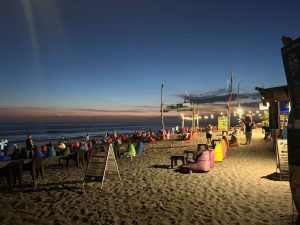
Now time to slow things down and enjoy some family time.
But even in relaxation mode, a great business lesson presented itself at Bukit Pandawa Resort & Golf in Uluwatu.
This is a unique 18-hole, par-3 executive course, designed by Bob Moore, perched dramatically on limestone cliffs overlooking the Indian Ocean. The holes range from 100m to 195m, offering plenty of uphill and downhill variety, but the sheer speed of play is the operational genius. The entire 18-hole round took only about two hours with a cart and caddy.
Here is the key industry insight: this course successfully leverages a model of high throughput and low operational cost per round while still charging near-standard green fees (starting at or ). The quick turnaround minimizes turf wear and dramatically reduces the time commitment for resort guests, maximizing the number of rounds and revenue that can be generated from the available land area. This blueprint is essential for developers in high-value resort land areas where a full 18-hole course might be logistically or financially unviable, proving that short-course innovation can command premium pricing when coupled with a stunning setting. It was a very good use of land for a golf layout.
We also took a quick drive-by past New Kuta Golf, which looked like a fun, resort-style layout, and I noted the need to catch classics like Handara Golf & Resort Bali and the currently closed Bali National on a future trip.