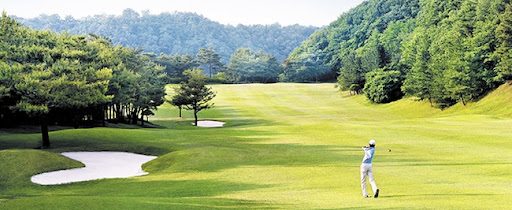
In a surprising shift for the South Korean golf industry, green fees at mid-sized golf courses in the Gyeongnam region have overtaken those in the Seoul metropolitan area for the upcoming winter season.
According to a report released on December 22 by the Korea Leisure Industry Research Institute, the mild southern climate and steady local demand have caused a price "reversal" that defies traditional market trends where the capital region typically commands the highest premiums.
Data comparing peak season (October) to off-season (January) reveals a significant narrowing—and eventual flip—of pricing structures. In October, a weekday round in the Seoul metropolitan area averaged 209,000 won, significantly higher than Gyeongnam’s 149,000 won.
However, as the winter chill sets in, the Seoul market has seen a drastic price cut, while Gyeongnam has held steady:
| Region | Jan. Weekday Fee (Avg) | Oct. Weekday Fee (Avg) | Change |
| Gyeongnam | 121,000 won | 149,000 won | -28,000 won (18.8%) |
| Seoul Metro | 110,000 won | 209,000 won | -99,000 won (47.4%) |
By January, golfers in Gyeongnam will pay an average of 11,000 won more per weekday round than those playing near the capital.
The primary driver behind this disparity is the weather. While golf courses in the north face heavy snowfall and freezing temperatures, the Yeongho-nam regions (Gyeongsang and Jeolla) enjoy a milder climate that allows for year-round play.
The report also highlighted that mid-sized golf courses are staying open at higher rates than exclusive membership clubs. Out of 237 mid-sized courses nationwide, 195 (82.3%) plan to operate through January.
"Mid-sized courses continue to operate even in the bitter cold because fixed costs—such as labor and administrative expenses—persist regardless of whether the course is open," explained Seo Cheonbeom, Director of the Leisure Industry Research Institute. "They aim to capture as much revenue as possible to offset these costs."
Despite many courses remaining open, the domestic industry faces stiff competition from international travel. Director Seo noted that the winter season traditionally sees a "sharp decline" in domestic players as many enthusiasts opt for golf trips to warmer destinations like Japan and Southeast Asia rather than braving the Korean winter.
For those staying in Korea, the message is clear: if you are looking for a winter bargain, the courses surrounding Seoul may currently offer better value than the milder greens of the south.