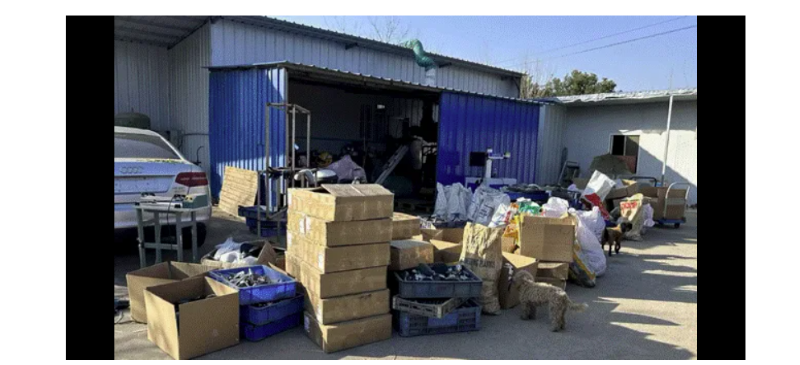
The golf industry has teed off 2026 with a major strike against the black market. Earlier this month, Chinese authorities, in coordination with the U.S. Golf Manufacturers Anti-Counterfeiting Working Group (known as "The Golf Group"), executed four simultaneous raids in Huizhou City, seizing more than 105,000 pieces of counterfeit golf equipment.
The haul included a staggering array of clubheads, components, tools, and labels fraudulently bearing the trademarks of the world’s top brands. Local police detained eight suspects during the operation, which uncovered multiple assembly points and a dedicated factory for fake clubheads.
This latest bust pushes a grim industry milestone even higher. Since its inception in 2004, The Golf Group has helped authorities seize more than three million counterfeit products globally.
The group is a powerhouse collective representing the industry’s biggest names:
For the average golfer, a "too-good-to-be-true" deal on a driver might seem like a victimless bargain, but experts warn these clubs are often liabilities.
"Raid actions like these are a constant reminder to counterfeiters across the globe that their actions have consequences," said Jud Hawken, associate general counsel for Ping Golf. "As golf continues to grow in popularity, The Golf Group will work tirelessly to educate consumers on the dangers of counterfeit equipment."
Unlike authentic gear, which undergoes rigorous stress testing, counterfeit clubs are built with substandard materials. Common issues include:
The Golf Group’s mission, through its "Keep Golf Real" campaign, is to remind players that counterfeiting follows demand. As the sport’s popularity surges, so does the sophistication of the fakes. Their advice remains consistent: If a deal feels too good to be true, it probably is.
Golfers are encouraged to buy only from authorized retailers and to be wary of products shipping directly from overseas hubs known for manufacturing fakes.