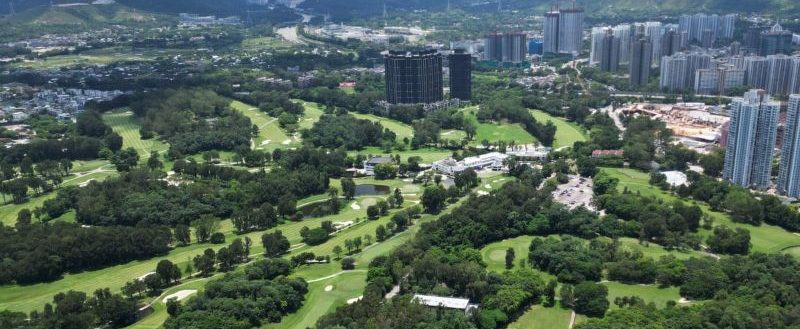
Hong Kong’s Culture, Sports and Tourism Bureau has notified 15 private sports clubs with leases expiring in 2026 that renewal will require payment of approximately one-third of the market land premium, subject to valuation by the Lands Department. The policy framework, established following a 2019 public consultation, aims to balance continued private operations with greater community access to valuable recreational land. Clubs have been presented with two main pathways under new 15-year lease offers issued in recent months:
The requirements tighten public access obligations. Clubs must now open facilities for at least 30% of total operating time and co-host a minimum of 240 hours of activities per month for eligible external groups — a substantial increase from the previous 50 public hours per month.
Golf Clubs Specifically Affected include:
Not all golf facilities are directly affected in this round. Smaller or secondary golf offerings, public courses, and clubs with different lease cycles fall outside the current 15-club notifications.
Stakeholder and Political Response
There appears to be broad political and community support for the approach. Legislator Kenneth Fok, a member of several clubs, acknowledged a social consensus for clubs to pay a reasonable premium. Executive Council member Ronny Tong, a Hong Kong Golf Club member, described the one-third premium as “reasonable,” noting that while member fees may rise, he does not expect any clubs to close.
Adrian Ho, vice-chair of LegCo’s Panel on Home Affairs, Culture and Sports, supported the policy, highlighting that many clubs have benefited from preferential terms for years and should now increase public openness.
Background and Financial Context
The direction follows a 2018 review of 27 Private Recreational Leases (PRLs), many unified around a 2026/27 expiry. Private clubs have historically occupied prime sites at nominal rents while operating on a members-only basis, drawing criticism over exclusivity and use of public land.
Many clubs generate significant non-membership revenue through food and beverage operations and other services. While smaller clubs have expressed concerns over funding the premiums, others are more confident that established members and diversified income can support the costs.
Industry Implications for Golf in Asia
This development is being closely watched across Asia, particularly in Singapore where golf clubs also face land lease pressures. For golf operators, the Hong Kong situation underscores the growing expectation that private facilities on government or leased land must demonstrate broader public benefit. Clubs now have the opportunity to engage directly with the government. They can absorb the land premium to retain private status or transition toward a community model. Either path is likely to influence membership pricing, utilisation strategies, event programming, and long-term sustainability.
Golfindustry.asia will continue to monitor outcomes for the affected Hong Kong golf clubs as these decisions could set important precedents for private club operations and land policy across the region.
For the original story please visit SCMP