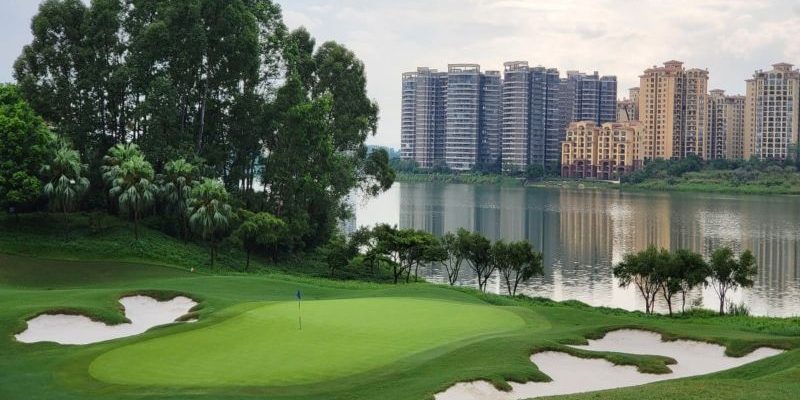
At a bustling travel agency in the heart of Guangzhou, Quan Yulan is witnessing a transformation twelve years in the making. A surge in South Korean visitors, lured by China’s aggressive new visa-free travel policies and the region's subtropical climate, has turned the city into a premier destination for the "golf-and-go" set.
“Even though Guangzhou is one of China’s three major cities, Korean golfers used to be relatively rare here,” said Quan, a travel agent of Korean descent. “But now I’m happily busy every day.”
The numbers tell a staggering story. Compared with 2023, bookings from South Korean golfers at Quan’s agency surged by more than 300% last year. Industry experts believe the momentum is just beginning.
For decades, South Korean golf enthusiasts favored the established fairways of Japan, Thailand, and Vietnam. However, a series of geopolitical and economic shifts in 2024 and 2025 has rerouted the regional travel map.
Lee Hee-hyun, CEO of Seoul-based Blooming Golf Tour, noted that rising costs in Southeast Asia and lingering safety concerns in destinations like Thailand and Cambodia have made China the "second most popular destination" after Japan.
“Guangzhou now accounts for more than 80% of Blooming Golf Tour’s China bookings,” Lee said, attributing the boom directly to the 30-day visa-free policy introduced for South Korean travelers in late 2024.
The impact on local businesses has been immediate and lopsided. At the Holiday Islands Golf Club, one of the city's most frequented venues, the disparity in growth is stark:
| Visitor Demographic | Year-on-Year Growth (2025) |
| South Korean Visitors | +81.0% |
| Domestic Chinese Visitors | +4.4% |
The influx is so significant that it has begun to squeeze local demand. “A recent surge in golf travel to Guangzhou from South Korea has even made it difficult for locals to secure tee-time bookings,” said Choi Woo-young, an international trader based in the city.
Guangzhou’s strategic geography is a major selling point. With flights from Incheon taking just 3.5 hours and many premium courses located within 40 minutes of the airport, visitors can maximize their "greens time." It is not uncommon for executives to arrive, check into a hotel, and tee off for a night session within hours of landing.
This trend is being further bolstered by a thaw in bilateral relations. Diplomatic ties gained traction following President Xi Jinping’s visit to South Korea in late 2024, followed by South Korean President Lee Jae-myung’s state visit to Beijing in January 2026.
“Guangzhou is home to many high-end courses tailored to business owners and executives, reflecting the city’s long-standing economic strength,” said Andrew Paik, CEO of the premium golf platform Centum Golf.
As China looks to bolster inbound tourism to offset sluggish domestic demand, analysts expect the "premium leisure" category to lead the recovery.
"As China’s inbound facilitation expands and visitor stays lengthen, premium leisure categories like golf benefit disproportionately because they convert high-spend travelers and corporate groups."
— Subramania Bhatt, CEO of China Trading Desk
For agents like Quan, the busy fairways are a sign of a new normal. With China extending visa-free entry for South Koreans through the end of 2026, the only thing likely to increase faster than the visitor count is the difficulty of landing a weekend tee time.