Golf Industry Asia
Golf Industry Asia

Robot Caddies: South Korea’s Solution to Golf’s Labour Crisis

2 May, 2026

SEOUL — The traditional image of the golf course is undergoing a high-tech overhaul as domestic clubs turn to autonomous robots and AI to combat a deepening labor shortage and surging operating costs.

According to industry reports as of April 24, 2026, the "post-COVID boom" has left regional golf courses struggling with worsening financial conditions. While the Seoul metropolitan area remains stable, rural courses are battling high turnover rates for caddies and the rising costs of manual course maintenance exacerbated by extreme weather like heat waves and heavy rain.

The Rise of the "Robot Caddie"

To break the cycle of rising caddie fees and staffing shortages, many courses are piloting AI-powered robot caddies.

  • Current Capabilities: While many currently function as autonomous carts that follow players and carry bags, rapid advancements are adding "digital guide" features.
  • Advanced Features: Newer models provide real-time distance guidance, club recommendations based on analyzed play data, weather alerts, and shot history tracking.
  • Safety & Compliance: Equipped with AI cameras and sensors, these robots ensure safe distances between groups and provide immediate warnings for lightning—features that help courses comply with stricter safety laws like the Serious Accidents Punishment Act.

Hyundai Leads the Charge

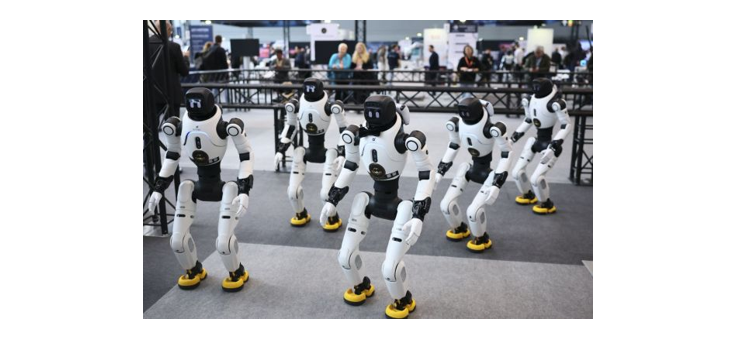
A major player in this shift is Hyundai Motor Group, which recently showcased its next-generation humanoid, 'Atlas,' at CES 2026.

  • Mass Production: Hyundai plans to establish a production system of 30,000 units annually by 2028.
  • Affordability: To lower the barrier for entry—given that a single unit can cost approximately 200 million won—Hyundai is introducing a rental-based "service model" to reduce the initial investment burden for golf clubs.

Beyond the Fairway: Autonomous Maintenance

The automation isn't limited to player assistance. Robotic mowers using precision satellite (RTK) guidance now maintain turf 24/7 without human intervention. Additionally, AI robots are being deployed to:

  • Repair Divots: Autonomously cruising fairways to detect and fix damage.
  • Data-Driven Care: Using drones and satellites to monitor turf health and selectively apply water or pesticides, significantly increasing operational efficiency.

Economic Impact and Labor Concerns

While the industry welcomes the shift as a way to reduce labor costs and operate around the clock without additional employee benefits, the transition is not without friction.

"Labor organizations have voiced their opposition to the introduction of robots without labor-management agreements, citing the potential employment shock for traditional caddies."

As technology continues to advance, the golf industry faces a delicate balancing act: embracing the efficiency of "Physical AI" while managing the displacement of a workforce that has long been the backbone of the sport.

FULL STORY

Share your golf news
All Content Copyright © 2026 Golf Industry Asia. Privacy Policy Website and Design by Golf Websites Australia
linkedin facebook pinterest youtube rss twitter instagram facebook-blank rss-blank linkedin-blank pinterest youtube twitter instagram