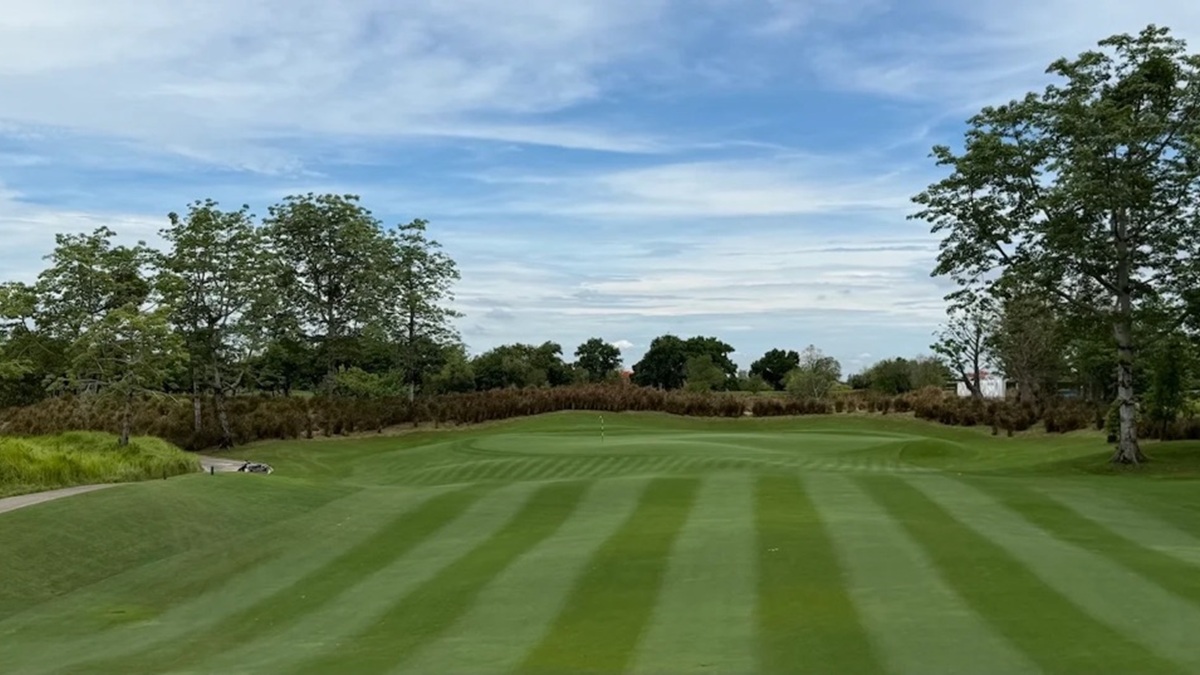
"Every golf course has standards. The best golf courses write them down."
Every golf course wants better playing conditions.
Ask a General Manager what they want from the maintenance team and they'll usually mention consistency. Ask a golfer and they'll probably talk about green speed, firmness or presentation. Ask a superintendent and you'll hear about healthy turf, predictable surfaces and having enough resources to achieve both.
None of those answers are wrong. The challenge is that they are all slightly different. Without clearly defining what success actually looks like, it becomes surprisingly difficult to know whether the golf course is genuinely improving or simply changing.
This is something I've seen repeatedly while working with golf courses throughout my career. Maintenance teams work incredibly hard, annual renovation programs are completed successfully, budgets are carefully managed and new equipment is purchased, yet when asked whether the golf course is in a better position than it was five years ago, the answer is often based more on opinion than evidence.
That isn't because anyone is doing a poor job. It's because very few golf courses ever define what they are actually working towards.
Every year, golf courses invest significant time and money into maintaining the property. Greens are aerated and topdressed with sand, fertiliser programs are adjusted, irrigation systems are upgraded and new projects are completed.
These practices are all valuable, but they should never become the objective themselves. Aerating greens isn't success. Applying 300 tonnes of sand isn't success. Reducing fertiliser inputs isn't success. They are simply tools that help achieve an outcome.
The real question should always be, "What are we trying to improve?"
Perhaps the objective is firmer putting surfaces or faster green speeds. Maybe it's reducing organic matter and improving infiltration rates. Increasing water use efficiency, reducing annual pesticide inputs or simply providing more consistent playing conditions throughout the year.
Once those objectives are clearly defined, every maintenance decision can be assessed against them.
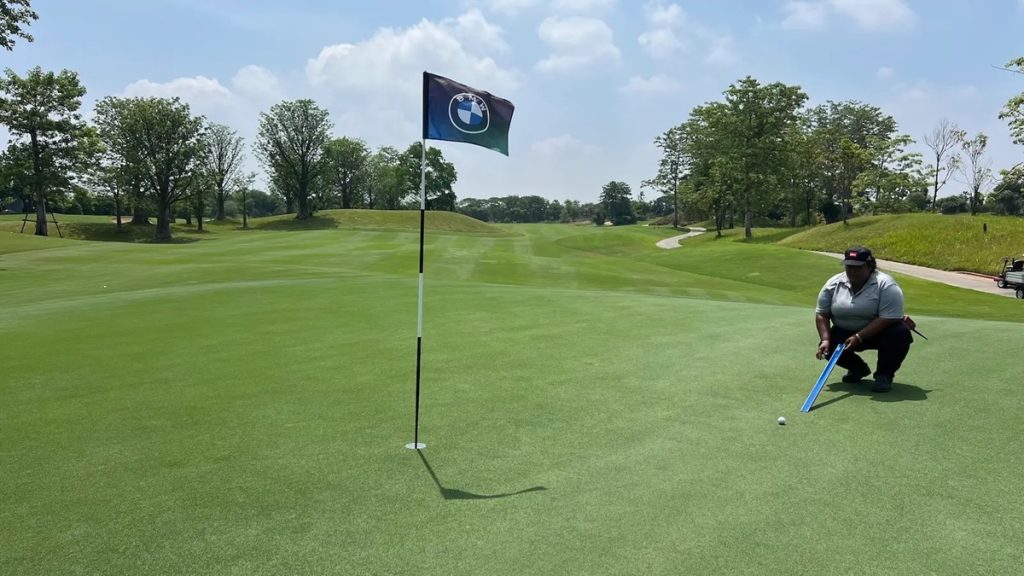
The ideal green speed will be different for each golf course. Golfer expectations, seasons, grass species and green design are all determining factors when deciding on an appropriate target range.
At Nikanti Golf Club, we refer to these long-term targets as our Course Quality Objectives.
Rather than simply collecting information because we can, every important aspect of the golf course is measured against a documented set of performance targets that has been developed specifically for the course, its construction, climate, maintenance resources and the expectations of its golfers.
Surface performance, irrigation system efficiency, and turf health are compared against established target ranges. Rootzone performance is monitored to ensure the physical characteristics of the greens continue to move in the desired direction. The golfer experience is carefully monitored and is of the utmost importance - the operation is then planned and adjusted to ensure we provide the best experience possible.
The objective isn't to collect more data.
The objective is to understand whether the golf course is moving closer to, or further away from, the standard we are trying to achieve.
That distinction is important.
Data without context has very little value. A soil organic matter concentration of 7% doesn't tell us whether the result is good or bad until it is compared with the target range established for that particular golf course and how that result affects the other target parameters. The same applies to infiltration rates, soil moisture, nutrient reserves or almost any other measurement we collect.
One of the misconceptions about setting performance targets is that they become permanent.
They shouldn't.
Golf courses evolve over time. Golfer expectations change. New technologies become available and maintenance practices continue to improve. As these things change, the objectives should also be reviewed.
At Nikanti, our Course Quality Objectives are reviewed regularly and formally reassessed at least once each year. Most remain unchanged because they continue to reflect the type of golf course we are trying to produce. Occasionally they are refined as we gain a better understanding of how the golf course performs or identify opportunities to improve the golfer experience.
The important point is that every change is deliberate.
The course isn't drifting in a different direction because staff have changed or because maintenance practices have gradually evolved over time. It is being guided towards clearly defined objectives that everyone understands.
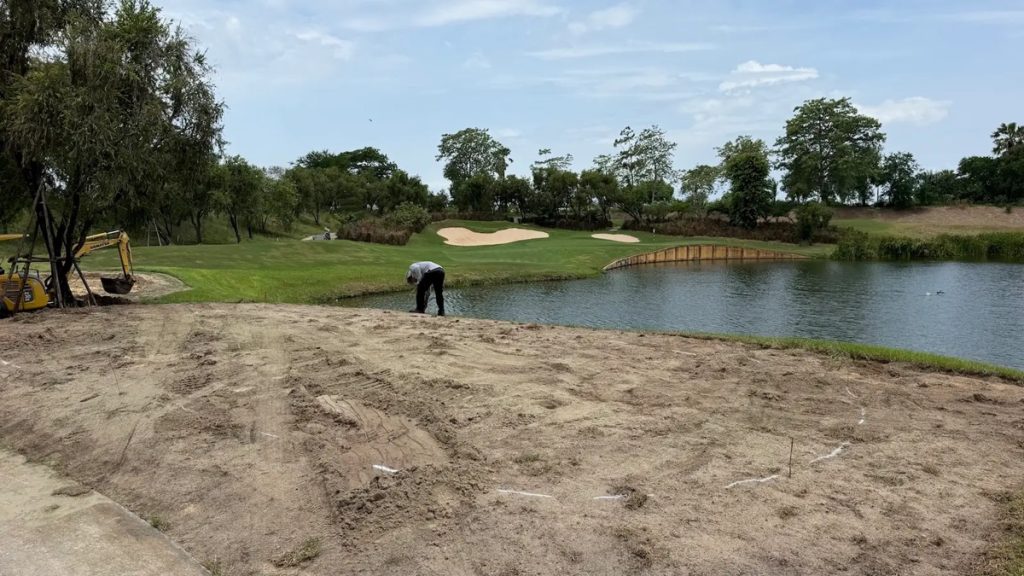
A tee reconstruction project that involves changing grass types may span multiple years and multiple managers or committees. Documenting the project goal, justification and overall benefits to the club helps increase buy-in from all stakeholders before the project begins and reduces the chance of the scope changing as it progresses.
Perhaps the greatest benefit of documenting these objectives is continuity.
Every golf course will experience changes in leadership. Superintendents move on, General Managers accept new roles and committee members rotate every few years. Each brings valuable experience and fresh ideas, but every transition also creates the potential for the maintenance program to change direction.
Documented Course Quality Objectives provide stability through those changes.
Rather than relying on the knowledge of one individual, they establish a long-term framework that explains what the golf course is trying to achieve and why those targets exist. New leaders inherit not just maintenance programs, but the reasoning behind them.
In many ways, they become just as valuable as the maintenance records themselves.
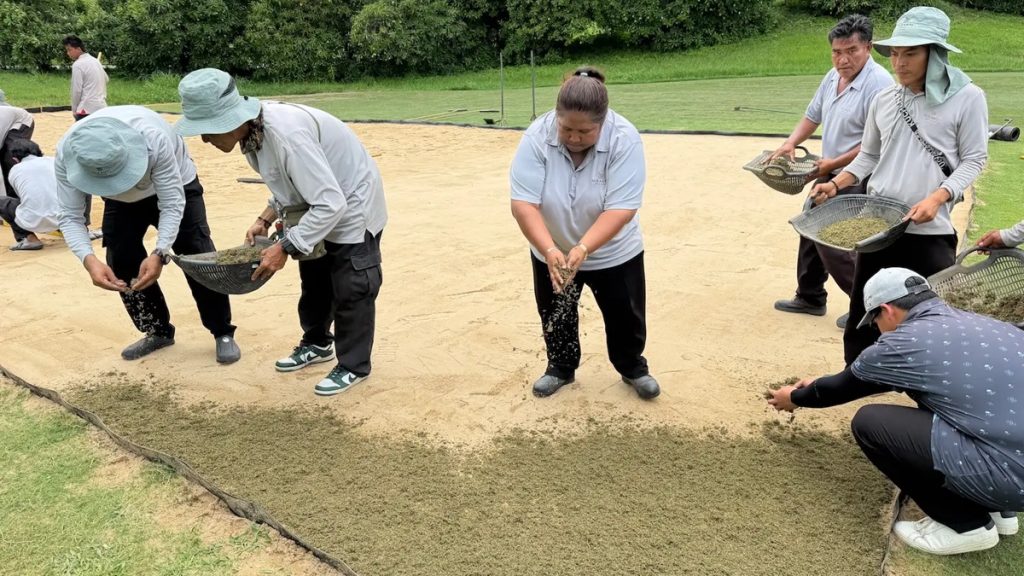
Planting trial plots with different grass selection options are important for stakeholders to help select the most appropriate grass for their property and requirements. The collection of objective data through the entire trial process is essential to remove bias and allow the club to make a more informed decision.
I've helped a number of golf courses throughout Asia and Australia develop similar performance benchmarks over the past decade.
Every set of Course Quality Objectives is different because every golf course is different. Construction methods vary. Climates vary. Budgets vary. Expectations vary. The principle, however, remains the same.
The putting greens are among the most valuable assets a golf course owns. They take months, or years, to build, decades to develop and millions of dollars to replace. It makes little sense to manage them without clearly defining what success looks like or measuring whether they continue moving in the right direction.
The best golf courses don't simply maintain today's conditions. They understand where they want the golf course to be in five, ten and twenty years' time, and every maintenance decision is made with that objective in mind.
Good golf course conditions don't happen because a maintenance team works harder than everyone else. They happen because the work being completed each day is guided by clearly defined objectives.
Routine maintenance keeps a golf course operating. Course Quality Objectives ensure it continues improving. The two are closely linked, but they are not the same.
"Every golf course has standards. The best golf courses write them down."