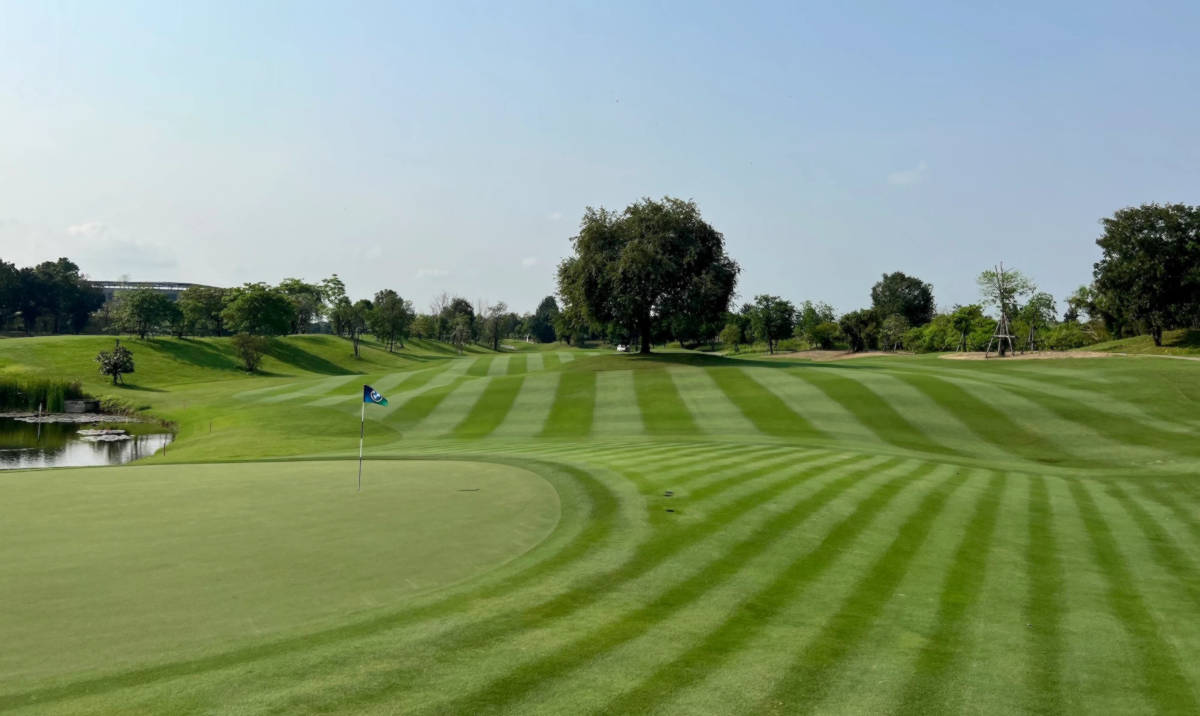
Golf course maintenance budgets have become increasingly complex. Clubs spend significant amounts each year on everything required to maintain the property, from routine agronomic inputs through to machinery, irrigation infrastructure and major capital works. In many cases, some level of technical or agronomic support is also provided by the companies supplying those products.
From a management perspective, this can make paying separately for an agronomy consultant difficult to justify. If a supplier is already prepared to visit the golf course, provide technical advice and help develop maintenance programmes as part of the existing commercial relationship, an independent consultant can appear to be another cost added to an already substantial maintenance budget.
I understand that argument. There are also many very experienced people working for suppliers throughout the golf industry, and a good superintendent should have strong relationships with the companies supplying the golf course. The technical knowledge they provide about their own products and equipment can be extremely valuable.
Independent consulting is not intended to replace those relationships. The difference is in what each business is ultimately being paid to do.
A company supplying fertiliser, machinery, irrigation materials or other products earns its revenue when those products are sold. Technical support may be included as part of that relationship, but it forms part of a much broader commercial model.
Under a fully independent consulting model, the club pays directly for the advice, so there is no additional financial benefit when a particular product is recommended or a piece of equipment is purchased.
That does not mean that a supplier will recommend something a golf course does not need. It simply means that the two businesses have different sources of revenue, and that is worth understanding when technical recommendations are being made.
However, it is not always as simple as supplier versus consultant. Some consulting businesses do not sell products directly but may have commercial relationships with manufacturers, distributors, contractors or other companies involved in golf course maintenance. These relationships can provide useful expertise and access to specialist services, but clubs should understand how they work when recommendations are being made.
For me, independence comes down to whether the consultant has a financial interest in the decision. If a particular fertiliser, machine, irrigation system or contractor is recommended, does the consultant receive a commission, referral fee or some other commercial benefit from that decision? There is nothing unusual about partnerships within the golf industry, but those relationships should be clear enough that the club understands where the advice ends and the commercial relationship begins.
At BRT Agronomy, reducing a fertiliser programme does not reduce our income. Neither does recommending that a club continue using an existing machine rather than replace it, or deciding that a proposed irrigation improvement should be investigated further before money is committed. Our recommendations are based on what we believe will deliver the best performance and value for the facility.
There are times when the most appropriate recommendation is for a club to spend more. There are also times when the existing programme is already doing what is required and there is very little reason to change it. Both conclusions should be equally easy for an adviser to make.
When we begin working with a golf course, I don't think the starting point should be which products the club is currently using. The more useful questions are: what standard the club is trying to achieve, how the golf course is currently performing and whether the maintenance operation has the resources required to consistently deliver that standard.
From there, we can begin looking at where the limitations actually are. A putting green that remains wet and soft for too long may eventually require an investment, but that does not tell us where the investment should be made. Adding another nutritional product is unlikely to achieve much if the underlying limitation is poor infiltration or an irrigation system applying water unevenly. Likewise, a new piece of machinery may be justified, but only if the maintenance requirement cannot be achieved efficiently with the equipment the club already owns.
This is one reason our consulting work covers considerably more than fertiliser and plant protection programmes. We become involved in budgeting, equipment planning, irrigation performance and procurement where those areas influence the ability of the maintenance team to achieve the agreed course standard. At some facilities this extends into staff development, operational systems and longer-term capital planning.
The intention is not to look for areas where the club can spend money. It is to understand how the whole maintenance operation is functioning and where changes are likely to produce a meaningful improvement.
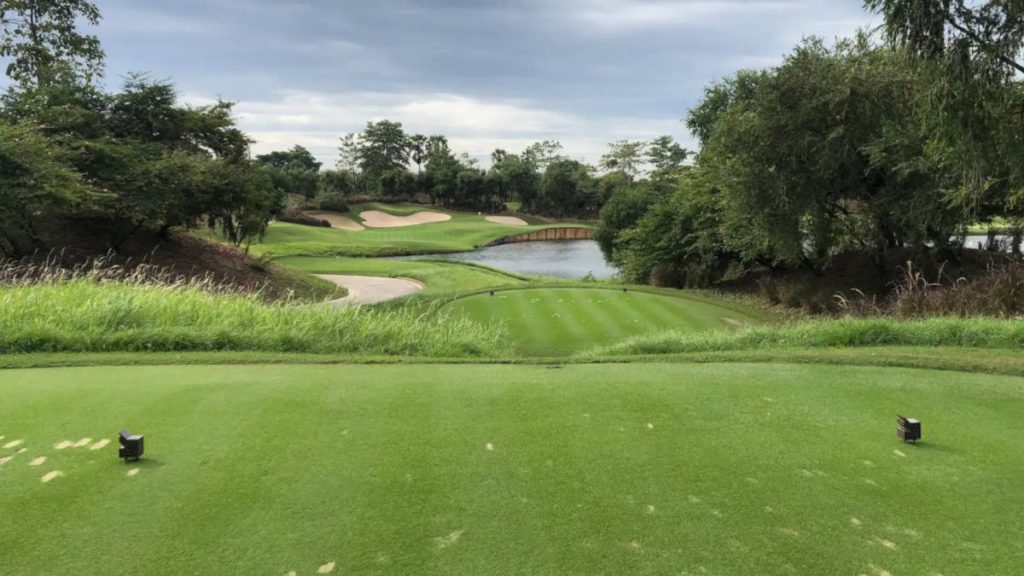
There will always be golf courses that genuinely need additional resources. Expectations sometimes increase beyond what the existing maintenance budget or available equipment can reasonably support, and no amount of efficiency can completely overcome that.
However, I have also worked with plenty of golf courses where there was considerable opportunity to improve how the existing budget was being used.
Maintenance programmes tend to evolve over time. A product is introduced for a particular reason and continues to be applied several years later. Another product is added to address a different concern, and eventually the programme bears little resemblance to the reason each input was originally introduced. Equipment replacement can develop in much the same way, particularly when specifications are based on what other facilities are purchasing rather than the actual operational requirement of the course.
Individually, many of these decisions may not make a substantial difference to the annual budget, but over several years they can add up to a significant amount.
At Nikanti Golf Club, we were able to substantially reduce inputs while continuing to improve the golf course. The longer-term optimisation of the maintenance operation eventually contributed to a 46% reduction in operating expenses while turf quality and course consistency improved.
“The longer-term optimisation of the maintenance operation eventually contributed to a 46% reduction in operating expenses while turf quality and course consistency improved.”
One part of that process was the nutrition programme. When we began adopting MLSN-guided nutrient management and reviewing the fertiliser sources being used, fertiliser expenditure was reduced by 69%. What interested me most at the time was not simply the saving, but that reducing expenditure did not require us to accept poorer playing surfaces. The objective throughout the process was to maintain the same standard or improve it.
I certainly wouldn't suggest that another golf course should expect the same percentage reductions. Every facility starts from a different position. The more important lesson was that the amount being spent was not, by itself, a good measure of how well the golf course was being maintained.
One challenge with independent consulting is that the fee is very easy to see. It appears as its own line in the budget and management can immediately calculate what the service costs each year. The expenditure that an independent consultant may influence is spread across a much larger part of the maintenance operation.
If an equipment purchase is being considered, there may be several technically suitable options at very different costs. An irrigation problem may justify major capital expenditure, or further investigation may show that changes to system management can address much of the problem first. A fertiliser programme may be appropriate as it stands, or testing may indicate that some of the nutrients being applied are already present in sufficient quantities in the soil.
These are normal decisions within a golf course maintenance operation, but the financial difference between the options can be substantial.
This is where I think consulting fees need to be considered in the context of the budget they are helping the club manage. I would never promise that an independent consultant will automatically save enough money to cover their fee, because there will be facilities where increased investment is genuinely required. The value is having somebody who can look across those decisions without earning more or less depending on which equipment is selected or how much product is purchased.
We apply the same principle to services such as laboratory analysis. For consulting and management clients, laboratory costs are passed through without a laboratory margin, while the interpretation of those results is incorporated into the agronomic programme. It keeps the relationship straightforward: there is no reason for us to recommend more testing simply because additional tests create additional product revenue.
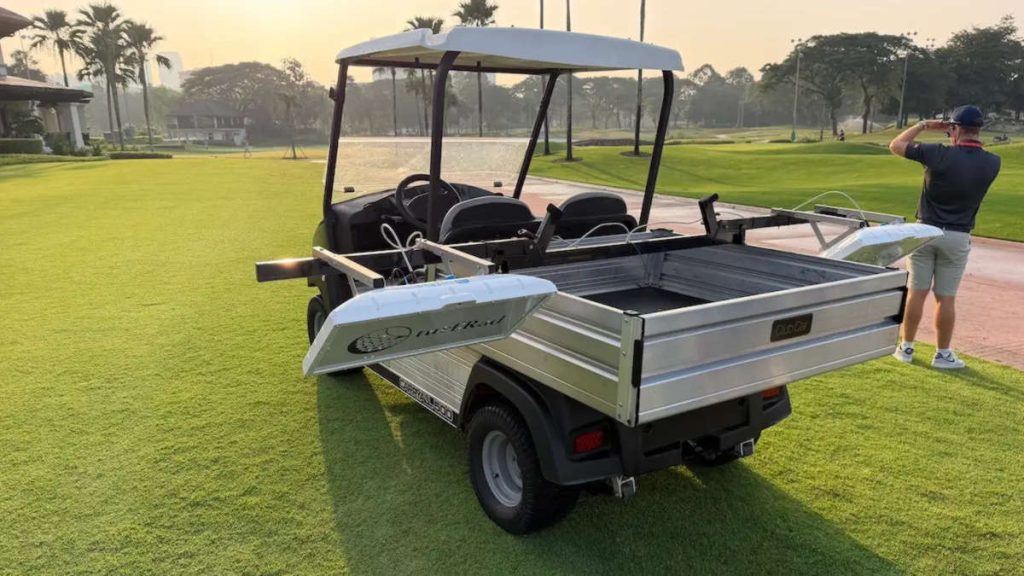
Being independent does not mean avoiding suppliers or assuming that every recommendation they make is influenced by a sale. That would be neither realistic nor particularly useful.
Golf courses depend on good suppliers. They provide detailed technical knowledge of their products, introduce new technology to the industry and often have years of experience working with similar facilities. We regularly work alongside suppliers when evaluating products or solving technical problems, particularly where their specialist knowledge can help the club make a better decision.
Where an independent consultant becomes useful is in looking at those options from the club's side of the table.
There may be several manufacturers capable of supplying a suitable machine. An irrigation supplier may have a technically sound solution, but the club may need independent advice on the scope of the upgrade before deciding how much of the system should actually be replaced. A fertiliser recommendation may be completely appropriate, but it still needs to fit the overall nutrient programme and what the soil or plant actually requires.
The supplier is an important source of information. The independent consultant helps the club decide how that information fits into the wider maintenance strategy.
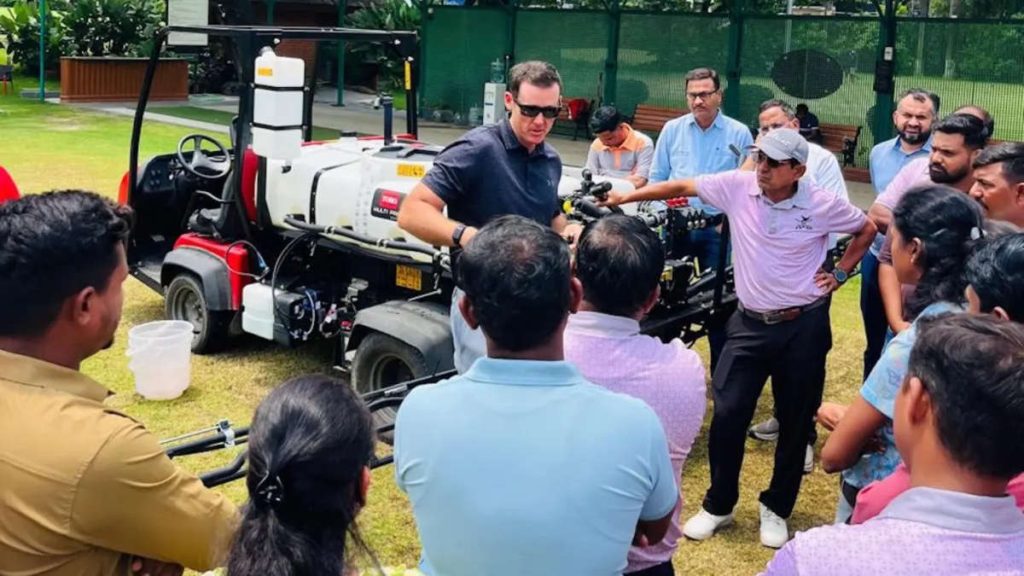
I also don't see independent consulting as a substitute for a competent superintendent. In most consulting relationships, the opposite should be true.
The superintendent understands the golf course in a way that an outside consultant never can. They see the surfaces every day, understand the maintenance team and know how the property responds as weather conditions change throughout the year. Our job is to add another level of support around that knowledge.
Sometimes that means helping interpret analytical results or reviewing the agronomic programme. At other times the superintendent may want another experienced opinion before committing to a major purchase or changing an established maintenance practice. We can also help turn technical information into something management can use when budgets or longer-term investment need to be discussed.
I think this last point is particularly important. Golf course maintenance is highly specialised, while the people approving the budget may have very different professional backgrounds. An independent assessment can provide a useful link between what the superintendent is seeing on the golf course and what ownership or management needs to understand before making a financial decision.
This is reflected in some of the feedback we have received from clients. Kuala Lumpur Golf & Country Club, for example, has used our analytical and advisory services for a number of years and specifically noted that the independent reporting helped simplify their decision-making while improving turf performance and reducing costs.
“...independent reporting helped simplify their decision-making while improving turf performance and reducing costs.”
When comparing independent consulting with technical support provided through a supplier, I don't think the useful comparison is simply the consultant's fee against advice that appears to cost nothing.
It is worth looking at the wider commercial relationship.
A golf course may already spend a considerable amount with a company supplying fertiliser, machinery, irrigation materials and other products. There may be very good reasons for purchasing every one of them. The question is whether somebody outside that commercial relationship is also looking at what the club is trying to achieve and whether the current expenditure is the most appropriate way of getting there.
That becomes increasingly important as the value of the decision increases. Changing a fertiliser product may have a relatively small financial consequence. Selecting the wrong piece of machinery or proceeding with an irrigation project that has not been properly scoped can affect the club for many years.
For me, this is the main value of independent advice. It gives the owner, General Manager and superintendent access to someone whose income does not depend on which product, machine, irrigation system or contractor is ultimately selected.
“It gives the owner, General Manager and superintendent access to someone whose income does not depend on which product, machine, irrigation system or contractor is ultimately selected.”
Golf course maintenance will always require products, equipment and good suppliers, and independent consultants should be working constructively with all of them. The difference is that our business depends on the quality of the decisions we help our clients make.
Sometimes the right decision will involve investing more, while in other cases the better option may simply be to make better use of what the golf course already has.
Related News:
 |
BRT Agronomy: The Most Important Document Your Golf Course Probably Doesn't Have"Every golf course has standards. The best golf courses write them down." Every golf course wants better playing conditions. Ask a General Manager what they want from the maintenance team and they'll usually mention consistency. Ask a golfer and they'll probably talk about green speed, firmness or presentation. Ask a superintendent and you'll hear about... |
 |
About the Author
|